
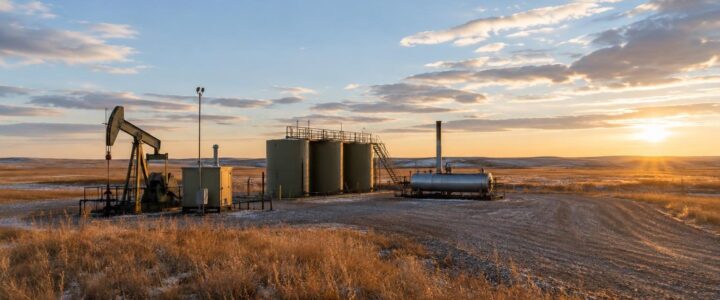
Every few months someone running a handful of wells tells me they have heard offsets are free money. Swap out the venting pneumatics, capture some gas, sell the credits. The reductions are real enough. What surprises people is how much of the value gets eaten before a single credit is sold, and how long the money takes to arrive. None of that makes offsets a bad idea for a small producer. It just means the arithmetic has to be done honestly at the start.
The fixed costs do not care how big you are
Under the Alberta Emission Offset System, a project has to follow an approved protocol, document its baseline, and pass a third-party verification before anything is registered. The verifier’s fee, the project plan, the monitoring plan and the registry paperwork cost roughly the same whether the project reduces a few hundred tonnes or tens of thousands. For a large operator those costs disappear into the volume. For a small one they can swallow most of the first year.
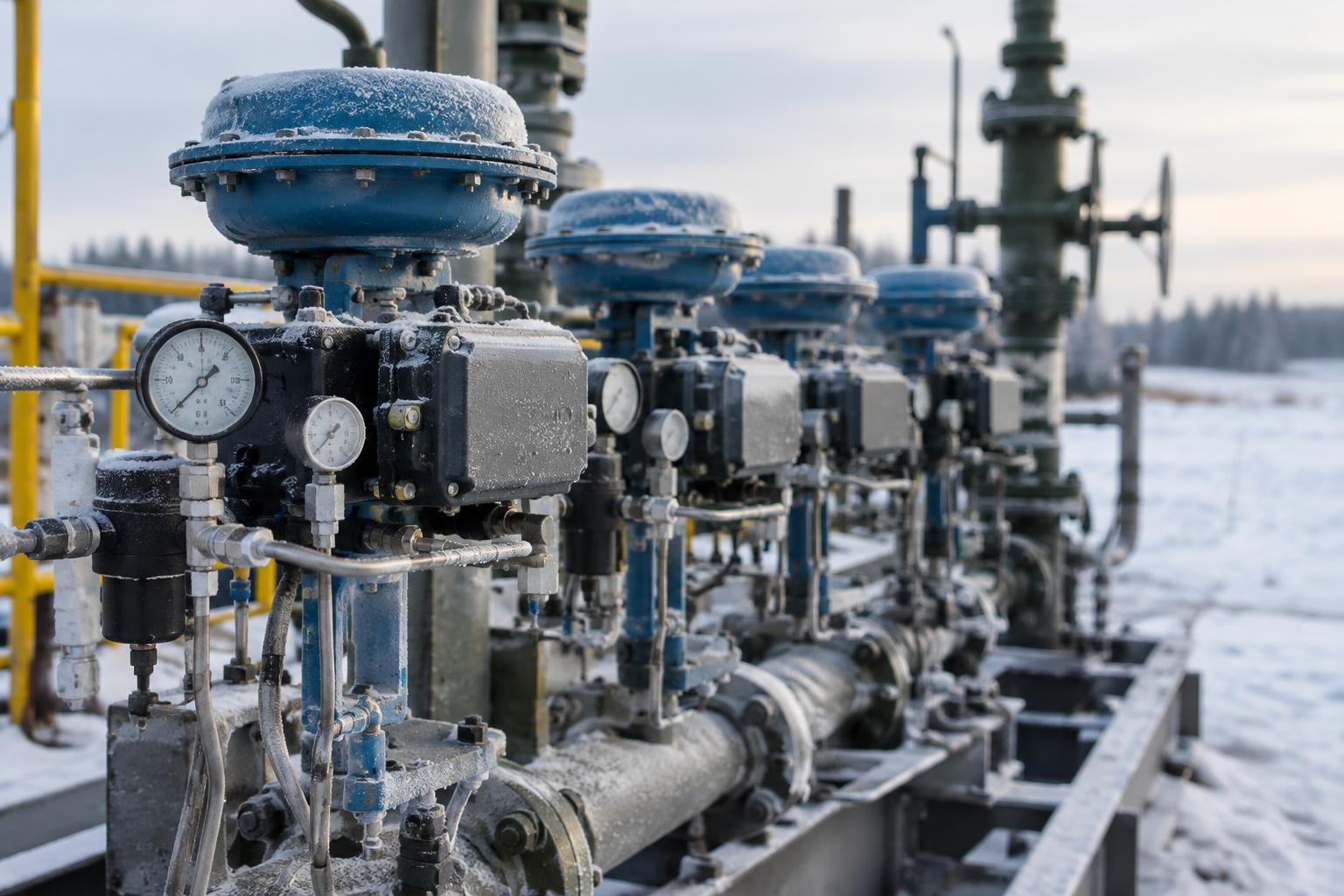
That is why so many smaller projects are aggregated. Grouping sites, or joining an aggregated project with other producers, spreads the verification and administration over more tonnes. It adds coordination, but it is often the difference between a project that pays and one that only breaks even.
The baseline is where the real work is
The single most expensive mistake is a weak baseline. If the starting emissions are estimated from a spreadsheet rather than measured and documented device by device, the verifier will push back, and every tonne claimed becomes negotiable. A proper inventory means someone walking the sites, recording make, model and bleed rates, and photographing what is there. It costs money up front and it saves far more later.
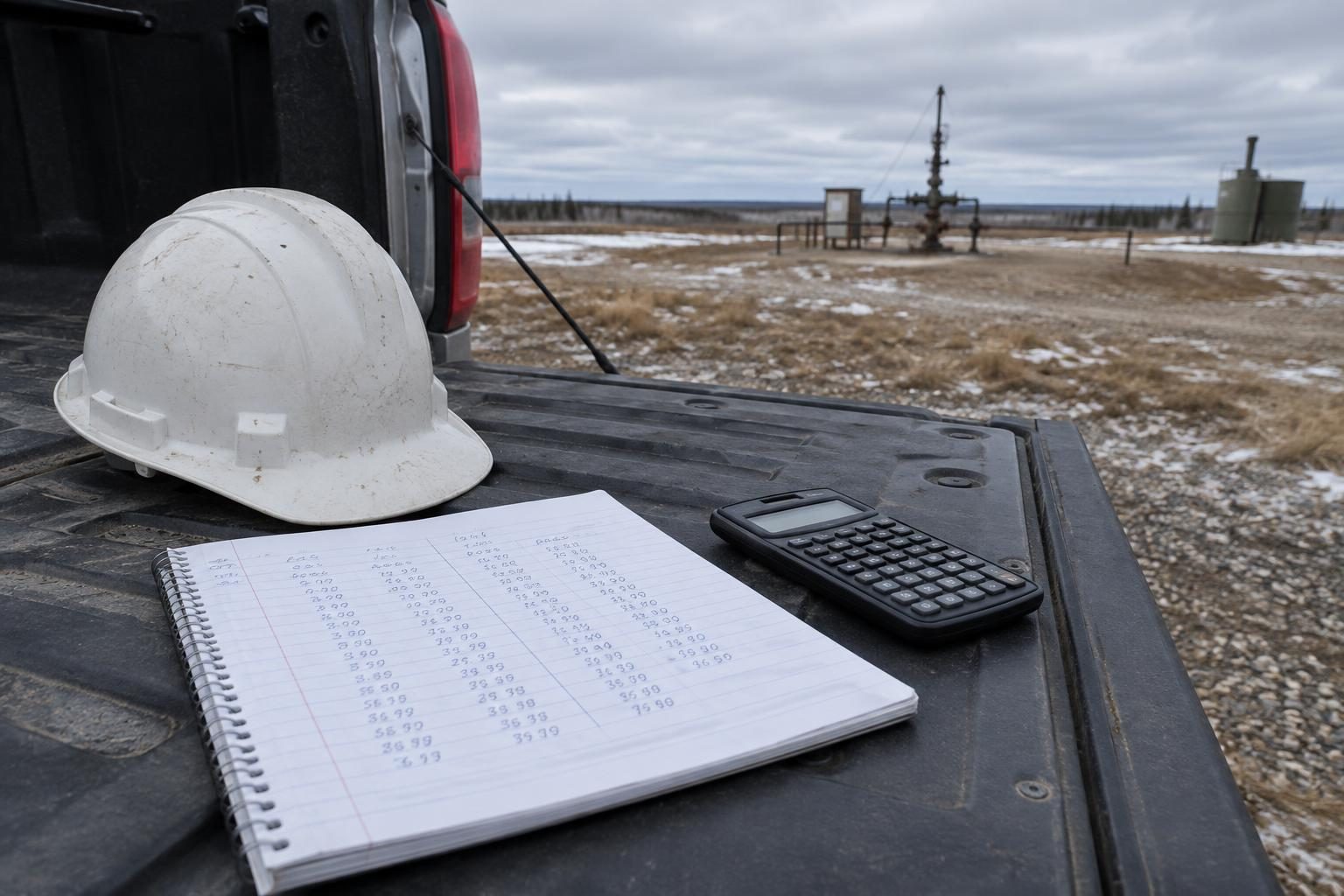
Equipment is the other obvious cost. Converting to instrument air or low-bleed devices, or adding vapour recovery, is capital spent before any credit exists. Some of it pays back through gas you no longer lose, which is worth counting separately from the credits.
Monitoring never really stops
Once a project is running, the data has to keep coming: run hours, device changes, meter readings, anything the protocol asks for. Sites change hands, equipment gets swapped, a new operator does not know the project exists. Gaps in the record are the most common reason credits get reduced at verification. Whoever runs the project needs a plain routine for collecting that data and someone who owns it.
Cash arrives late
Credits are only serialized after verification, and only then can they be used or sold, usually to large emitters meeting their obligations under the Technology Innovation and Emissions Reduction Regulation. The fund price under that regulation tends to act as a ceiling on what buyers will pay, so offset revenue has an upper limit that moves with provincial policy. Between the retrofit and the first sale there can easily be a year or more. A producer has to plan for that gap rather than assume the credits fund the work that creates them.
Doing it alone or with help
Some producers take the whole thing on themselves, and the ones with an engineer who enjoys paperwork sometimes make it work. More often, the people who try it alone end up paying for carbon offset services anyway, just later, after a verification has gone badly. Bringing in help at the eligibility stage costs less than rescuing a project halfway through. Whichever route you pick, the public Alberta Emissions Offset Registry is worth a look first: it shows which project types are actually getting credits registered, and that is a useful reality check.
Is it worth it?
For a small producer with venting pneumatics or gas that can be captured, it usually is, provided the fixed costs are shared, the baseline is measured properly and nobody counts on the credit cheque to pay for the retrofit. Run those numbers first. If the project still makes sense on paper with conservative prices and a slow first year, it will very likely make sense in the field.